
The Psychology Behind High Performing Landing Pages
- Yber Digital

- Mar 11
- 2 min read
A landing page is not just a design element.
It is a decision making environment.
When someone lands on your page, their brain immediately begins evaluating risk, value, clarity, and trust. High performing landing pages succeed because they align with how people naturally think and make decisions.
Understanding the psychology behind conversions can dramatically improve performance.
Clarity Reduces Cognitive Load
The human brain prefers simplicity.
When a landing page feels overwhelming, visitors hesitate. Too many choices or excessive information creates friction.
High performing pages focus on:
• One primary objective
• One clear message
• One dominant call to action
Clarity reduces cognitive effort and increases action.
First Impressions Build Trust
Users form judgments in seconds.
Your landing page must immediately communicate:
• Professionalism
• Authority
• Relevance
This includes:
• Clean layout
• Strong headline
• Clear value proposition
• Organized structure
A weak first impression lowers trust before users even read details.
Social Proof Lowers Risk
People feel more comfortable making decisions when they see others have done the same.
Effective landing pages include:
• Testimonials
• Case studies
• Review highlights
• Trust badges
• Client logos
Social validation reassures hesitant prospects.
Urgency Encourages Action
Without urgency, many users postpone decisions.
Psychological triggers that increase action include:
• Limited time offers
• Clear next step framing
• Benefit driven headlines
• Visible calls to action
Urgency must be authentic. Artificial pressure reduces trust.
Relevance Increases Engagement
The closer your messaging matches the user’s search intent, the higher the conversion rate.
Your landing page should reflect:
• Specific services
• Specific location if applicable
• Specific problem being solved
Generic messaging reduces connection.
Directional Design Guides Attention
Visual hierarchy influences behavior.
Effective landing pages use:
• Contrast for important buttons
• Strategic spacing
• Clear section breaks
• Logical content progression
Users should not have to guess where to look next.
Addressing Objections Builds Confidence
Visitors often hesitate because of internal questions such as:
• Is this worth the investment
• Will this work for my situation
• What happens next
High performing pages address objections proactively through:
• Frequently asked questions
• Clear explanation of process
• Transparent expectations
• Strong guarantees when appropriate
Confidence increases when uncertainty decreases.
Friction Reduces Conversions
Small barriers can dramatically reduce results.
Common friction points include:
• Long forms
• Required unnecessary fields
• Slow load speed
• Confusing navigation
Simplifying the user experience improves submission rates.
The Balance Between Emotion and Logic
Strong landing pages appeal to both emotion and logic.
Emotion motivates action. Logic justifies it.
A well structured page communicates:
• Clear benefits
• Tangible outcomes
• Professional credibility
• Practical next steps
When emotion and logic align, conversion rates increase.
Final Perspective
High performing landing pages are not about flashy design.
They are built around:
• Human decision patterns
• Clear communication
• Trust building elements
• Structured user flow
When psychological principles support SEO and design, landing pages become powerful lead generation tools.
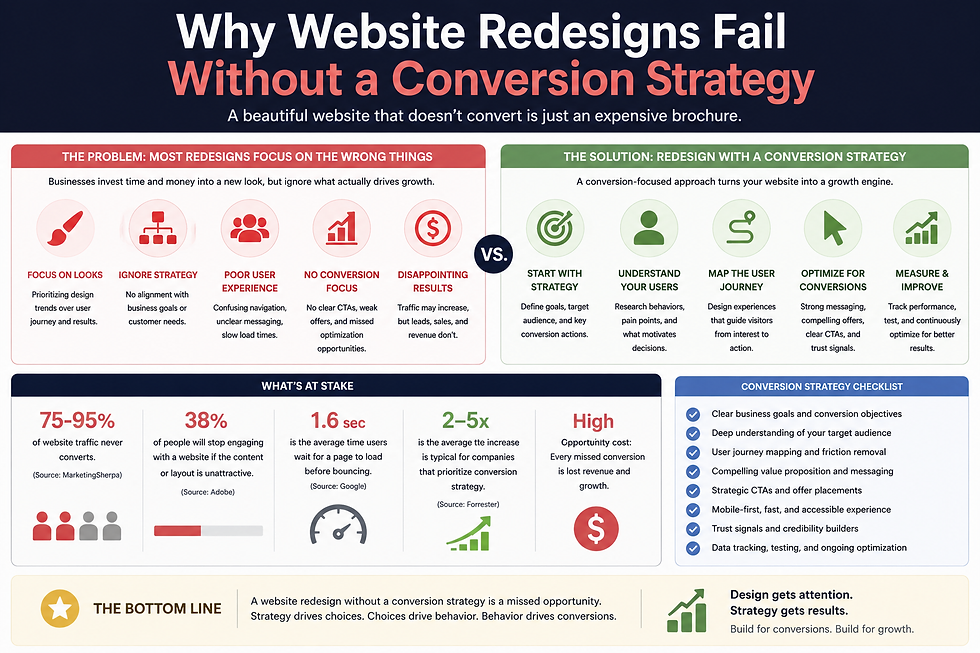
For more insights on conversion optimization and strategic website design, follow Yber Digitals on Facebook at https://www.facebook.com/yberdigitals and stay connected with practical marketing guidance tailored for US businesses.


Comments